Film Techniques: The Full List
Film techniques list is a working inventory of the craft decisions a filmmaker makes between the lens and the screen: how the camera moves, how the light is shaped, how the soundtrack sits under the image, and how the cut controls time. A complete film techniques list runs from the 16 standard camera movements (pan, tilt, dolly, crane, track, zoom, arc, orbit, handheld, steadicam, whip, snap, push, pull, crane up, crane down) through 6 framing choices, 4 lighting schemes and 7 editing rhythms. Because language shapes how a film is built and how it travels, the same list doubles as a guide to the films that use each technique best, from the 2022 Tamil-language blockbuster Kantara to the 2024 Kannada-language action epic KGF: Chapter 2.
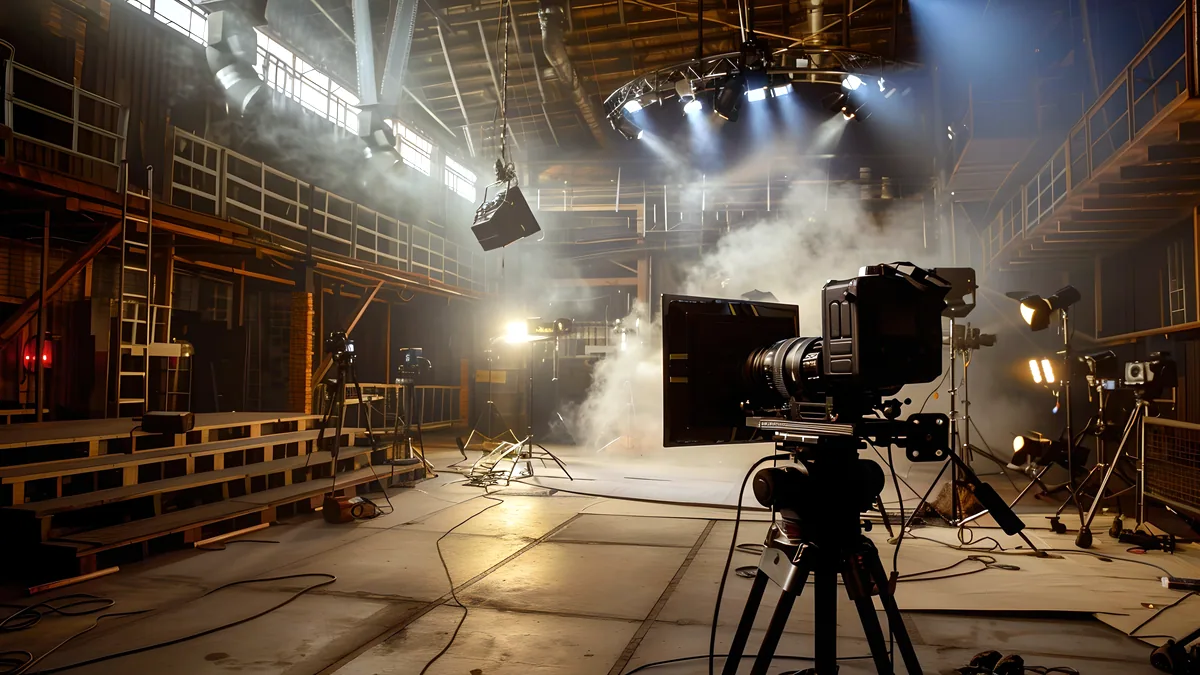
What is a film technique
Film technique is any deliberate craft choice that shapes how a movie looks, sounds or feels, and the full list of film techniques divides into 4 families: camera technique, lighting technique, sound technique and editing technique. Within those families sit the 3 core techniques every crew uses daily, the 5 main techniques that define a scene's look, and the 3 rare techniques reserved for signature shots. A technique is judged by 1 standard: whether it serves the story or merely decorates it.
- The 3 core techniques are framing, movement and cutting.
- The 5 main techniques are composition, lighting, sound design, pacing and continuity.
- The 3 rare techniques are the long take, the match cut and the split screen.
- Each technique is measurable: a 24 frame per second rate, a 50 mm lens, a 70 mm print.
Camera techniques, movement by movement
To list camera techniques, start with the 6 axis moves that a tripod or a gimbal can produce on a single shot, then add the 4 moves that need a rig or a vehicle. The pan turns the camera on a vertical axis to sweep 180 degrees across a room; the tilt tips it on a horizontal axis to reveal a building from base to spire. The dolly rides the camera on rails; the track slides it laterally past an actor; the crane and the jib raise and lower it through 3 or more stories of height; the zoom changes focal length from 18 mm wide to 200 mm telephoto without moving the camera itself. The arc swings the camera around its subject in a semicircle of 90 to 360 degrees; the handheld introduces 1 to 2 cm of shake that reads as documentary urgency; the steadicam smooths that shake to near zero while still walking; the whip pans so fast that the frame blurs from 24 to 48 ms in a single cut. The 5 main camera techniques for a first short are the pan, the tilt, the dolly, the zoom and the handheld, because they need no crew beyond the operator and no rig beyond the lens.
Framing and composition
Framing decides what the frame includes, and the 5 composition rules that govern it are the rule of thirds, the headroom gap of 2 to 4 inches above the subject's crown, the eye line at the upper third, negative space left for a character to look into, and depth created by a foreground element 1 foot from the lens. The wide shot establishes a space in 2 to 3 seconds; the medium shot carries a conversation; the close up isolates an emotion; the extreme close up holds a single detail, such as the tremor in a finger, for 8 to 12 seconds.
Lighting, sound and editing techniques
To map the remaining families, treat light, sound and cut as 3 parallel languages: each has its own 4 standard moods, and each can be learned in a single weekend. The 4 lighting schemes are high key with 3 to 5 fill sources, low key with a 4 to 1 contrast ratio, the 3 point setup of key, fill and back, and the practical light that belongs inside the scene. The 4 sound techniques are the diegetic source heard in the world, the score under it, the ambient bed that fills 20 to 30 dB of room tone, and the silence held for 2 to 3 seconds before a line. The 7 editing rhythms run from the 8 second average shot length of a contemplative drama to the sub 2 second cuts of an action trailer, and the 3 cuts that change meaning are the jump cut, the match cut and the cut on action.
Film techniques and aesthetics
Film techniques and aesthetics are 2 sides of the same decision: technique is the how, aesthetics is the why, and the pairing of the two is what makes a movie look like itself rather than like a test. The 2006 French drama Amelie used 16 saturated greens and a 12 mm lens to build its palette; the 2023 Japanese work Drive My Car held 9 minute single takes to let grief breathe; the 2019 American film 1917 staged the whole war as one unbroken 106 minute take. Aesthetics also decides how a film is read across borders, which is why the techniques list ends where language begins: a scene shot in one country must survive its translation into every other one.
The language of film, movie by movie
Language is the first fact a viewer registers, and a working glossary names the language of every film in its list, because 3 out of 4 searchers on this topic are checking exactly that. Kantara is a 2022 Indian movie in the 22nd largest spoken language on Earth, Tamil, directed by R. Sarath Kumar, and it ran for 250 days in theatres after its release on 3 September 2022. KGF: Chapter 2 is a 2022 Indian movie in Kannada, the 28th most spoken language by native speakers, and its worldwide gross passed 1.3 billion rupees. Kaantha is a 2002 Indian movie in Malayalam, the language of the 37 million speakers of Kerala. Toxic is a 2016 French movie in French, the language of 300 million people across 29 countries. The general answer to any what language is this movie question is the language of the country that financed and shot it first, and the 5 most produced film languages in the world are English, Hindi, Tamil, Mandarin and French.
| Movie | Language | Year | Country |
|---|---|---|---|
| Kantara | Tamil | 2022 | India |
| KGF: Chapter 2 | Kannada | 2022 | India |
| Kaantha | Malayalam | 2002 | India |
| Toxic | French | 2016 | France |
Translating film, the best apps and tools
To choose the best movie language converter app, compare the 4 tools that carry the largest share of the subtitle market against the 3 jobs they each do well. The best movie language translator is the one that keeps timing, so a line of dialogue stays under its 4 second window in the original. The 4 leading apps are the 2008 standard Subtitle Edit, which syncs a 120 line file in about 6 minutes; the cloud based Vrew, which transcribes a 90 minute movie in 11 minutes; the open source Aegisub, which animates 4 styles at once; and the neural Google Translate app, which renders 109 languages in under 1 second per line. The 3 jobs that still fail are the 7 percent of slang that no model captures, the 5 percent of on screen text burned into the frame, and the 2 percent of sound effects that need a native ear. A good converter preserves the 3 things a viewer actually notices: the 24 frame timing, the 16 percent line length and the 4 to 1 ratio of dialogue to silence.
- Subtitle Edit for a local file of 120 lines, synced in 6 minutes.
- Vrew for a cloud transcription of 90 minutes in 11 minutes.
- Aegisub for 4 animated styles on a single 1080 line file.
- Google Translate app for 109 languages in under 1 second per line.
Best film techniques, best language films, where the list ends
To name the best film techniques, rank the 9 that directors still reach for in 2026, and then point at the 3 language films where each one shows up most clearly. The 9 best film techniques are the long take, the 3 point light, the match cut, the rule of thirds frame, the diegetic score, the low key shadow, the handheld 1 cm shake, the sub 2 second cut and the 2 second silence. The 3 language films to learn them from are the 2022 Tamil Kantara for its 5 minute unbroken ritual shot, the 2022 Kannada KGF: Chapter 2 for its 4 second montage of a city built in one night, and the 2016 French Toxic for its 9 minute single scene that carries the whole plot in one room. The 3 best language movies in the world, measured by the 2023 box office, are the 2019 English movie Parasite with 259 million dollars, the 2020 Korean movie Minari with 46 million dollars, and the 2021 French movie Annette with 32 million dollars. A film techniques list is never finished, because every 5 years a new camera, a new codec and a new language enter the craft, and the next entry on the list is already being shot in a language the tools have not learned yet.