The film crew
The film crew is the complete group of people paid to make a single movie: the director, the cast, the camera team, the sound recordist, the lighting electricians, the production managers and the hundreds of specialists between them. On a mid-budget feature that group runs to between 150 and 250 people, and on a studio tentpole it can pass 500 before a single frame is shot. Every one of those roles exists to solve a specific problem the picture will raise, and together they form a machine that converts a script into 36 or more hours of usable footage, most of which will never appear in the cut.
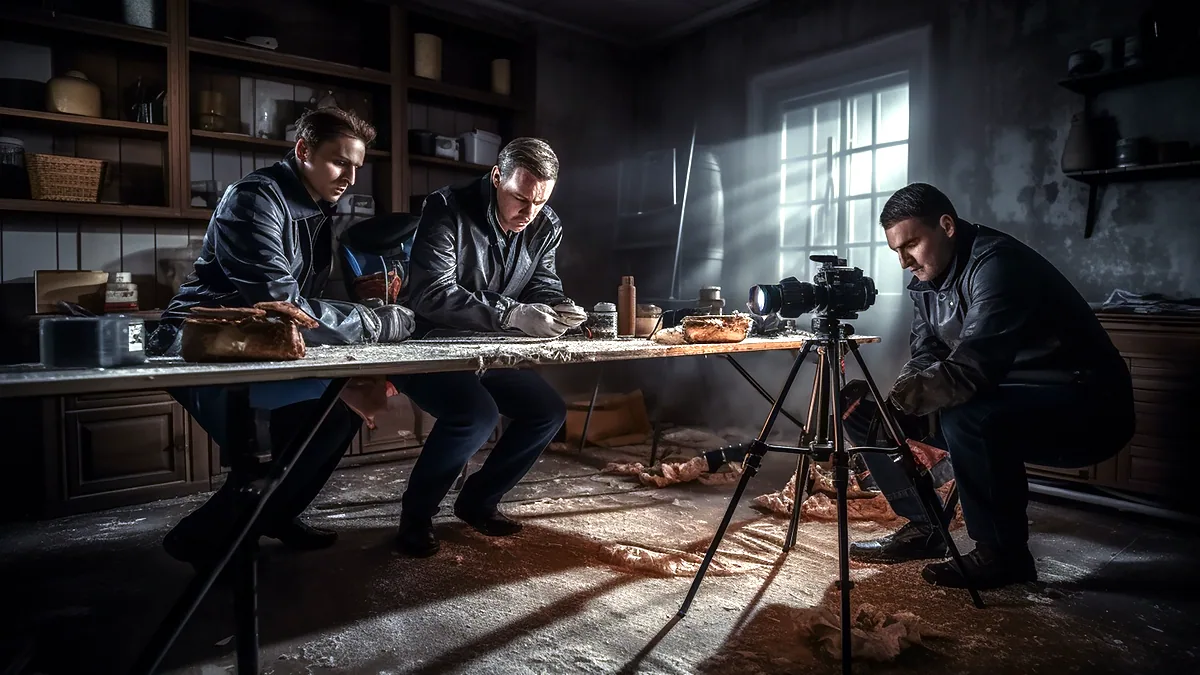
Reading the crew from first assistant director to gaffer is the fastest way to understand how the machine is assembled, and the same logic scales from a 2 week student short to a 6 month studio epic. The chain of command runs from the producer and director down through the unit production manager and the first assistant director to every grip, electrician and assistant on set, and it is the same chain on every production. That structure sits inside a wider trade: the industry credits roughly 1,100 feature films per year across the major territories, with the United States alone shipping over 500 features a year to release, which works out to around 1 to 3 new movies finished on any given day. Between features, television episodes, commercials and shorts keep the same trades employed 365 days a year.
The command chain, from producer to first assistant director
The command chain on a film crew runs from the money to the schedule to the set itself. The producer, usually funded through a studio or a financing package, holds the budget and the final say on who is hired. The director makes the creative calls and works with the cast, the production designer and the cinematographer on what the film should look and feel like. The unit production manager builds the shooting schedule and the budget breakdown, and the first assistant director, or 1st AD, runs the physical set: that person calls action and cut, keeps the crew moving between setups, and protects the call times of the cast. Under the 1st AD work the 2nd AD, the assistant directors for cast and crew, the production coordinators and the production assistants who move paperwork, gear and people all day. On a typical day shoot this command layer converts a 12 page schedule into 10 to 14 setups, each with its own lighting, sound and camera plan.
The camera, lighting and sound departments
The camera, lighting and sound departments produce the picture and the audio that the edit is built from. The director of photography, or DoP, chooses the camera and the lens language and supervises the whole capture. Under the DoP the camera operator runs the camera on each setup, the 1st AC keeps the frame sharp and the 2nd AC pulls focus, the focus pullers log every mark on a focus chart, and the clapperboard marks the sync point between picture and sound. On the electrical side the gaffer, the head of the lighting department, designs each setup with the DoP, and the best boy electric runs the distribution of power across the unit. The grips, a separate department, rig the lighting, the stands, the dollies and the cranes that move it, and a typical day uses anywhere from 40 to 60 minutes of set-up per setup. Sound runs in parallel: the production sound mixer records the dialogue track with boom and lavalier microphones, the boom operator works the microphone in frame, and the sound utility manages the equipment, because a clean dialogue track is far cheaper than replacing one later with ADR.
Art, wardrobe, hair and the people departments
The art, wardrobe, hair and the people departments build the visible world around the cast. The production designer creates the overall look and hands the plan to the art director, who leads the set decorators, the carpenters, the painters and the prop makers. Wardrobe, led by the costume designer, dresses the cast and manages continuity across every shooting day, a task that grows fast when a film jumps between 30 or more different dates on screen. The hair and makeup department, usually split between a hair department and a makeup department, keeps the cast consistent take to take, and special makeup adds prosthetics and scars where the story needs them. On the other side of the craft the casting director books auditions and negotiates the cast, the script supervisor logs every take, every line and every eyeline so the edit can be assembled in the right order, and the production accountant keeps the payroll and the cash flow of the whole unit in order. The people departments also handle the crew itself: the catering company feeds 100 or more people three meals a day, the production medic treats the set, and the transport coordinator moves everyone from their 5 to 7 hour call into the van at 4 in the morning when the day demands it.
Post-production, the crew that continues after the wrap
Post-production is the part of the crew that continues after the final wrap, and on most features it is as large as the unit that shot. The picture editor, usually a single senior editor with an assistant team, cuts the footage into the working structure of the film and then refines it with the director across weeks. The colorist grades the picture, the sound editor and the re-recording mixer build the final mix of dialogue, sound effects and music, and the visual effects supervisor coordinates the work that will add digital sets, creatures and clean-ups. For a film with 20 or more visual effects shots the post crew alone can run to 80 or more people across vendor houses in different countries. This stage is also where the film earns its final shape: the picture is locked, the mix is balanced, the titles are built, and the deliverables are conformed for each release format, from the theatrical print to the 2160p streaming master.
How the crew is sized, and why many roles repeat across movies
The crew is sized by the format of the picture and the number of shooting days, and many roles repeat across movies because the trade is built on the same core departments. A feature shot in a single location over 8 days needs a camera crew of 4, a small grip and electric package and a compact art team, while the same feature with a night shoot, a vehicle chase and a 50 person crowd scene doubles every department and adds a stunts coordinator, an armorer and a key grip who plans the rigs in advance. Television series crews run slightly smaller per episode but stay assembled for months, which is why so many crew members are employed 300 days a year on television before they take a film. The repetition is deliberate: a DoP who has spent 10 years shooting dramas brings a library of tested setups to every new production, and a gaffer who has run 20 features knows exactly how many 1 kilowatt circuits a 30 light rig needs. The same logic applies to the schedule itself, which is why the 1st AD role is the busiest on set: that person is the constant, and every other department works through the day plan that person posts at 4 in the morning.